
Preventing Exterior Paint Fading in Sunny Areas
- Jan 7
- 3 min read
The Midwest sun can be relentless, especially when it comes to the exterior paint on homes and buildings. Over time, intense sunlight causes colors to lose their brightness and vibrancy, leaving surfaces looking dull and worn. For homeowners, property managers, and commercial building owners, maintaining exterior color longevity is a challenge that requires smart choices in paint selection and protective measures. This post explores how to select the right fade resistant paint, apply UV protection paint, and use sun protection for paint to keep your property looking fresh and appealing for years.

Understanding Why Paint Fades in Sunny Areas
Sunlight contains ultraviolet (UV) rays that break down the chemical bonds in paint pigments. This breakdown causes colors to fade and the paint film to degrade, leading to peeling and cracking. The Midwest experiences strong sun exposure during summer months, which accelerates this process. Without proper protection, even high-quality paint can lose its color quickly.
Several factors influence how fast paint fades:
Type of paint and pigments used
Quality of UV protection in the paint
Surface preparation before painting
Environmental conditions like humidity and temperature
Choosing paint with built-in UV protection paint properties can significantly slow down fading. Additionally, applying protective coatings after painting adds an extra barrier against sun damage.
Choosing the Right Fade Resistant Paint
Not all paints are created equal when it comes to resisting sun damage. Here are key points to consider when selecting paint for exterior surfaces exposed to strong sunlight:
Look for paints labeled as fade resistant paint or UV protection paint. These formulations contain pigments and additives designed to withstand UV rays.
Opt for acrylic latex paints. Acrylic paints generally offer better adhesion and flexibility, which helps prevent cracking and peeling under sun exposure.
Choose high-quality pigments. Some pigments fade faster than others. For example, inorganic pigments like iron oxides tend to be more durable than organic ones.
Check for warranties. Some manufacturers offer extended warranties on color retention, which can be a good indicator of paint quality.
For example, a homeowner in Kansas City chose a premium acrylic latex paint with UV protection paint additives for their home exterior. After three years of intense sun exposure, the colors remained vibrant with minimal fading compared to neighboring houses painted with standard latex paint.
Preparing Surfaces for Better Exterior Color Longevity
Proper surface preparation is essential to maximize the lifespan of your paint job. Here’s how to prepare surfaces before applying fade resistant paint:
Clean the surface thoroughly. Remove dirt, mildew, and loose paint using a pressure washer or scrub brush with detergent.
Repair any damage. Fill cracks and holes with exterior-grade filler and sand smooth.
Prime the surface. Use a primer compatible with your paint type. Primers improve paint adhesion and provide an additional layer of protection against UV rays.
Ensure the surface is dry. Moisture trapped under paint can cause bubbling and peeling, accelerating fading.
Taking these steps helps the paint bond better and resist the harsh effects of sun exposure.
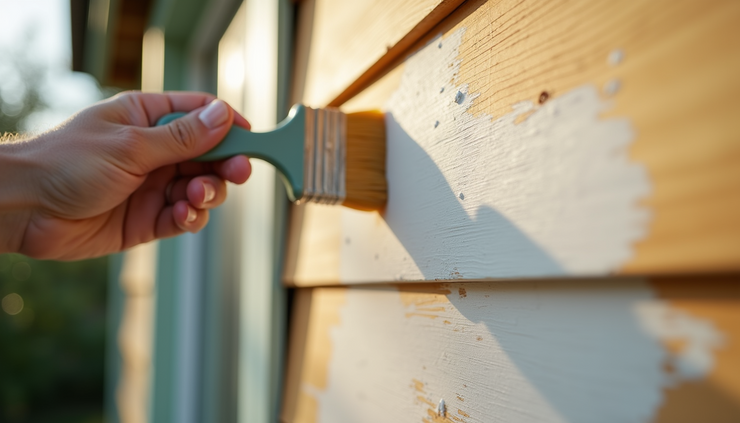
Applying Protective Coatings for Sun Protection
Even the best fade resistant paint benefits from an extra layer of protection. Clear protective coatings designed for exterior use can block UV rays and reduce color fading. Here are common options:
UV-resistant clear sealers. These transparent coatings add a shield against UV damage without altering the paint color.
Elastomeric coatings. These thick, flexible coatings protect surfaces from cracking and fading, especially on stucco or masonry.
Wax-based finishes. Some wax finishes offer temporary UV protection but require frequent reapplication.
When applying protective coatings:
Follow manufacturer instructions carefully.
Apply coatings after the paint has fully cured, usually after 2-4 weeks.
Reapply coatings every few years or as recommended to maintain sun protection for paint.
A commercial building owner in Des Moines extended the life of their exterior paint by applying a UV-resistant clear sealer every two years. This practice kept the building’s colors sharp and reduced maintenance costs.
Additional Tips to Maintain Exterior Paint in Sunny Climates
Beyond paint selection and coatings, these practical tips help preserve exterior color longevity:
Use lighter colors. Light shades reflect more sunlight and absorb less heat, reducing fading speed.
Install shading elements. Awnings, pergolas, or trees can block direct sun and protect painted surfaces.
Regular cleaning. Dirt and pollutants can accelerate paint degradation. Gentle washing every 6-12 months helps maintain appearance.
Inspect and touch up. Address chips or cracks promptly to prevent further damage.
By combining these strategies, you can significantly slow down paint fading and keep your property looking well-maintained.


Comments